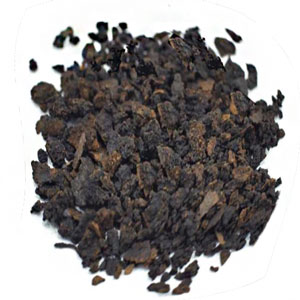
Description
Juglans nigra, commonly known as black walnut, is a valuable deciduous tree native to central and eastern North America. Here are some key points about this remarkable tree:
- Description:
- Black walnut (Juglans nigra) belongs to the walnut family (Juglandaceae).
- It grows well in rich bottomlands, moist fertile coves, and lower slopes throughout North Carolina.
- The leaves are compound, alternately arranged, and typically even-pinnate.
- Leaflets are 25-50 cm long, dark green, and often hairy on the underside.
- The fruit ripens in autumn, forming a brownish-green, semi-fleshy husk around a hard, corrugated nut.
- The immature fruits have green outer husks that dry into very hard dark-brown nuts.
- The outer hull, due to its dark color, has been used as a dye, including in brown hair dye until the early 1900s.
- Culinary and Medicinal Uses:
- The nuts are edible but challenging to remove from the husk.
- The fleshy husk can be used as a dye.
- Historically, Native Americans used black walnut for medicinal purposes.
- The tree’s leaves, stems, and roots contain juglone, which inhibits the growth of certain plants beneath its canopy.
- Instruction:
- Prepare a hot infusion from dried black walnut hulls:
- Take 1 tablespoons of dried herb in a cup or teapot.
- Pour hot water over it, cover with a lid, and steep for 10-30 minutes.
- Strain and enjoy the tea that rich in Derived from natural botanical sources, enzymes, vitamins, flavonoids, and volatile oils.
- Prepare a hot infusion from dried black walnut hulls:
- You may:
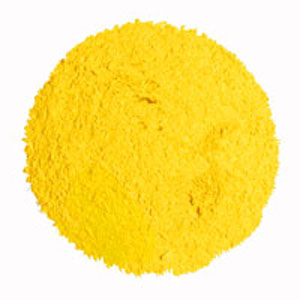
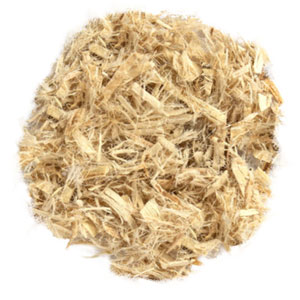
- Sweeten your herbal tea with honey, natural fruit juice, stevia leaves powder, or licorice root powder.
- Get creative: Freeze black walnut tea into ice cubes or popsicles!
Precautions:

Reviews
There are no reviews yet.