Description
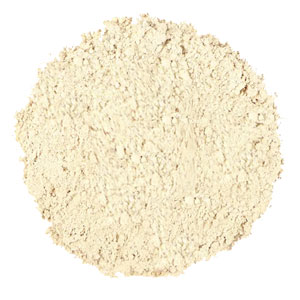
Slippery elm bark powder begins with the fibrous inner bark of Ulmus fulva, the part of the tree described in detail below. Slippery elm (Ulmus fulva) is a small deciduous tree native to North America, recognised by its rough branches and long, unevenly toothed leaves. The part used is the fibrous inner bark, harvested in spring from the trunk and larger branches. In strip form it is tough and flexible, reddish-yellow outside with patches of reddish-brown, finely fibrous, with a mild aroma reminiscent of fenugreek and a mucilaginous, neutral taste.
From inner bark to slippery elm bark powder
This product is the powdered form. The original listing distinguishes a coarse powder for traditional culinary or crafting applications from a fine powder used to make mucilaginous herbal drinks: when moistened, the bark forms a flexible, spongy texture that has long been valued in traditional crafts and herbal preparations.
The original botanical description gives the bark strips a distinctive structure. They are described as flat strips measuring 2–3 feet long, several inches wide and 1–2 inches thick before processing, with longitudinal striations on both surfaces. The strips can bend without breaking, while a broken surface appears mealy and finely fibrous. Clean transverse sections reveal medullary rays and alternating bands of bark parenchyma, giving the bark a chequered appearance. Those details concern the source bark from which slippery elm bark powder is made and help distinguish the inner bark as a fibrous material rather than a leaf, root or seed product.
Harvesting is specified as taking place in spring from the bole and larger branches. The mild fenugreek-like aroma and neutral, mucilaginous taste are also part of the original description. Once powdered, the material no longer needs to be handled as long strips; it can be measured by spoon and mixed directly into the preparation for which it is intended.
Using slippery elm bark powder
The page notes the product is intended for culinary, traditional and craft purposes. Available in 50 g, 100 g, 150 g and 250 g.
The original listing identifies two powder grades and two broad contexts: a coarse powder for traditional culinary or crafting applications and a fine powder for mucilaginous herbal drinks. When slippery elm bark powder is moistened, its texture changes from dry powder to a flexible, spongy material. Add liquid gradually and mix as you go so the powder is distributed through the liquid rather than gathered in one dry mass. That simple handling point follows from the bark’s mucilaginous character and makes the prepared texture easier to judge.
For storage, keep slippery elm bark powder dry and sealed between uses. A dry container protects the powder’s loose texture and makes it easier to measure accurately. The available sizes begin at 50 g for a smaller quantity and extend to 250 g for buyers who use the powder across multiple preparations. When comparing this product with whole or strip bark, the defining feature is convenience of measurement: slippery elm bark powder is already in powdered form, while the botanical background above describes the fibrous inner bark before it is processed.
When measuring the powder, use a dry spoon and return the container to its sealed state immediately afterwards. The original botanical notes also describe a mealy, finely fibrous broken surface and alternating bands in clean cross-sections; those details belong to the source bark and explain why the finished material is fibrous rather than leafy or granular. If a drink looks unevenly mixed, stir again as liquid is added rather than adding a large amount of water all at once.
Pairs well with: Coughing Herbal Tea · Organic Mullein Leaves · Licorice Root

Reviews
There are no reviews yet.