Description
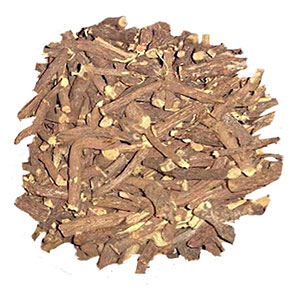
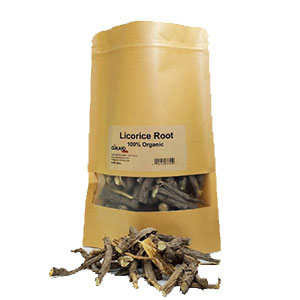
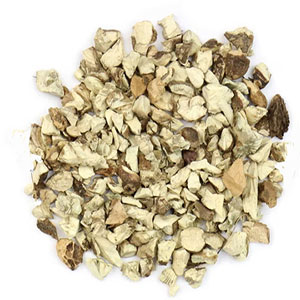
Licorice root is the dried root of Glycyrrhiza glabra, the plant the original page introduces under both spellings, liquorice and licorice. It is a flowering plant of the bean family, Fabaceae, and the root is the part from which a sweet, aromatic flavouring is extracted — the sweetness is the root’s own character and the reason it appears in teas and flavourings.
The licorice root plant
The licorice plant is an herbaceous perennial legume native to Western Asia, North Africa and Southern Europe, as the page records. In Persian the root is called Shirin Bayan, the name carried in this listing’s short description. The root is harvested, dried and sold in that dried form, which is how it keeps until it is measured into a preparation.
Using licorice root
The listing’s short line gives the uses plainly: chewing, root tea, dried root, herbal tea. For root tea, the dried root is simmered in water rather than merely steeped — the standard preparation for a hard dried root — and strained before drinking; the root’s natural sweetness carries into the cup without added sweetener. Pieces of root can also be chewed as they are, the first use the short line names.
Store licorice root sealed in a cool, dry place, protected from moisture, and keep the pieces whole until use. The product sits in the store’s Herbal Teas and Bulk available categories; choose from 1, 2, 4, 6 and 8 ounce sizes — the smaller sizes suit a first purchase and occasional tea, and the larger sizes suit regular root-tea making and bulk keeping.
Plainly stated, this product is the dried root of Glycyrrhiza glabra — a sweet, aromatic root from a perennial legume of Western Asia, North Africa and Southern Europe — sold organic for chewing and for root and herbal teas in five sizes.
Pairs well with: Fennel Seed · Slippery Elm Bark Powder

Reviews
There are no reviews yet.